Skip to content

Most patients who end up with an overfilled face never intended to look that way.
Their goal was simple. They wanted to look refreshed, softer, or more rested, not altered or exaggerated.
Overfilled results are rarely caused by a single poor decision. More often, they are the byproduct of rushed care, aggressive sales models, and a lack of clinical restraint built into the treatment process.
What People Mean When They Say “Overfilled”
An overfilled face is not defined solely by the use of injectables. It is determined by imbalance. Common signs may include puffiness, heaviness, distorted proportions, or facial features that no longer move or rest naturally.
Overfilling often develops gradually. Small amounts of filler added over multiple visits can accumulate over time. This is especially applicable when treatments are not guided by a long-term plan.
Because the changes occur slowly, patients may not notice them right away until the face begins to feel unfamiliar or out of proportion. The gradual progression is what makes prevention so important.
Why Overfilled Faces Happen
Overfilled results are rarely about a lack of product knowledge alone. In many cases, they stem from systemic issues within aesthetic care models.
Rushed Appointments and Volume-Driven Care
Short appointment times leave little room for comprehensive facial assessment or thoughtful planning. When treatments are rushed, decisions tend to focus on isolated areas. The best practice is to consider the face as a whole.
This approach increases the likelihood of adding volume without considering essential factors. These could be balance, facial movement, or how injectables behave over time.
Aggressive Sales Models
In some practices, injectors are pressured to upsell products. Some are instructed to provide complete packages rather than guide patients conservatively. When success is measured by the number of syringes used rather than outcomes achieved, aesthetic restraint becomes harder to maintain.
This environment can lead to unnecessary volume being placed simply because it was purchased, not because it was needed.
Lack of Long-Term Planning
Ethical aesthetic care requires a long-term perspective. Overfilling often occurs when each appointment is treated as a standalone event rather than part of an ongoing aesthetic plan.
Without considering how dermal fillers integrate, settle, or accumulate over the years, subtle overcorrection can gradually turn into visible distortion.
Following Trends Instead of Anatomy
One downside of aesthetic trends is that they tend to promote a look rather than an individualized outcome. Copy-and-paste injection styles ignore patients’ distinct characteristics. These may point to the individual’s bone structure, muscle activity, and natural aging patterns.
When anatomy is overlooked, fillers may be placed in areas that do not support the face naturally, increasing the risk of overfilled filler results.
Why Overfilling Is Not Always Immediately Obvious
It is important to emphasize that, at first, overfilling does not always look dramatic. Initial swelling can disguise excess volume, and short-term satisfaction may delay concern.
Over time, however, filler accumulation can alter contours and proportions. These may be visible in ways that become more noticeable months or years later.
Correcting an overfilled face is often more complex than preventing it, which is why ethical injectors prioritize careful planning from the start.
How Ethical Injectors Prevent Overfilling
Ethical injectors operate differently by design. Their approach emphasizes patient safety, facial balance, and long-term outcomes rather than speed or volume.
Comprehensive, Unhurried Consultations
Prevention begins with time. Ethical care starts with a full facial assessment. It should also come with an open discussion about goals, concerns, and expectations. Patients should be educated, not rushed, and treatment plans should be built collaboratively.
Restraint as a Clinical Skill
Knowing when to stop is just as important as knowing where to inject. Ethical injectors view restraint as a core clinical skill rather than a limitation.
Not every syringe needs to be used. Also, not every request should be fulfilled if it compromises balance or long-term facial health.
Anatomy-Based, Long-Term Planning
Ethical injectors treat the face as a system. Each treatment is considered within the context of overall balance, movement, and future aging. Aesthetic plans are developed over time rather than based on trends or quick fixes.
Education Over Upselling
Patients deserve clear explanations and honest guidance. As such, ethical injectors focus on education rather than pressure. One of their goals is to empower patients as they make informed decisions that align with their goals and values.
Choosing the Right Treatment Matters as Much as Choosing the Right Provider
Preventing overfilled faces is not only about how much product is used. It is also about selecting the appropriate treatment for each concern.
Neuromodulators are often used to soften overactive muscles. These contribute to lines and facial tension without adding volume. When carefully dosed, neuromodulators can improve balance and help prevent deep creases. The latter is typically mistaken for volume loss.
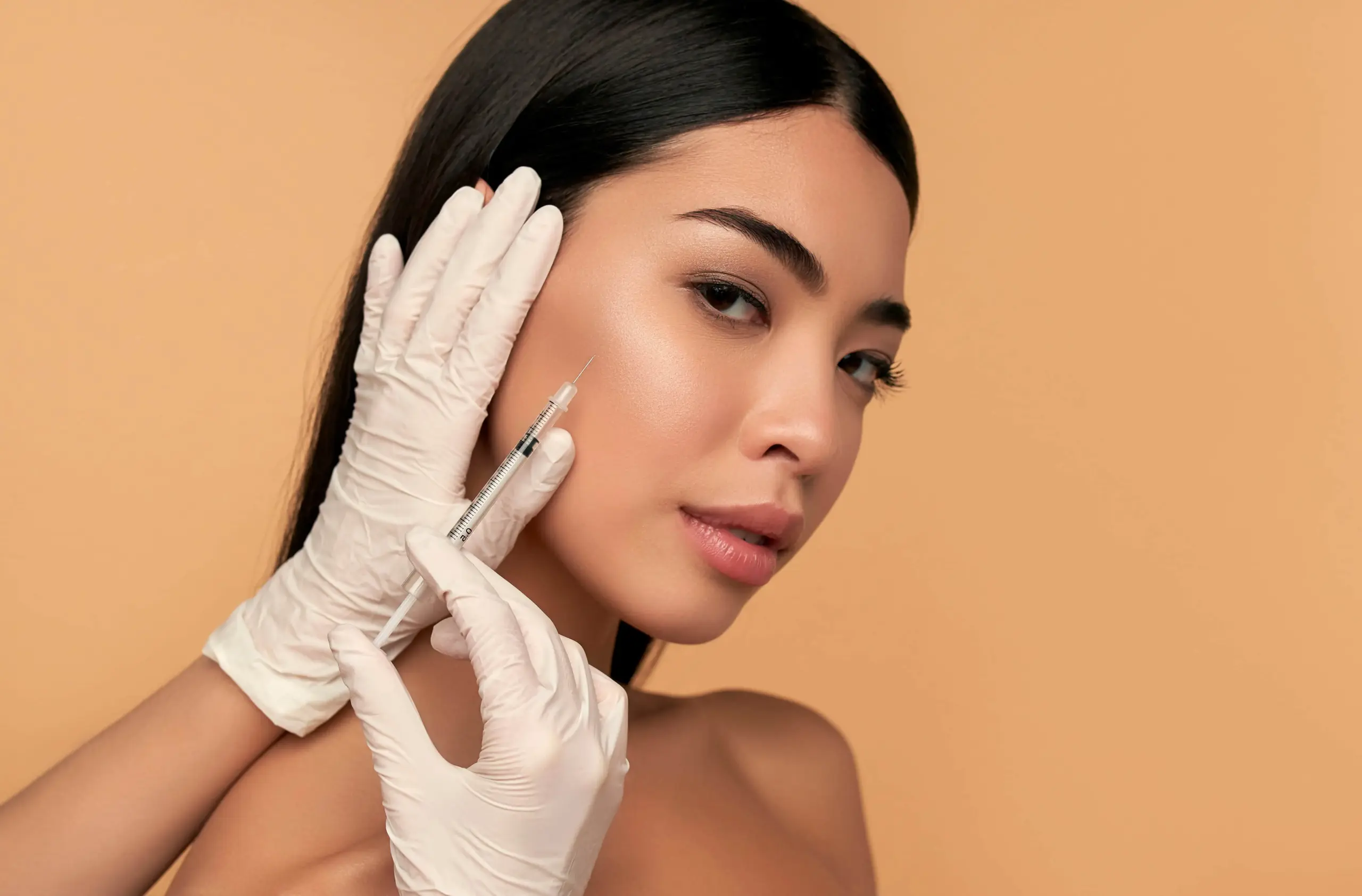
Dermal fillers, when administered, should be placed conservatively and strategically. By doing so, ethical injectors restore structural support rather than chase fullness. They understand that fillers are meant to enhance facial architecture, not overwhelm it. Small, well-planned amounts often produce more natural-looking results than aggressive volume placement.
Bella Derm: An Ethical Alternative in Laguna Hills, CA
At Bella Derm, preventing overfilled faces begins with a commitment to medically guided, patient-centered care. Founded by a medical provider with experience in both aesthetics and plastic surgery, our practice emphasizes restraint, safety, and honesty at every stage of treatment.
Neuromodulators and Dermal Fillers are used conservatively and intentionally, with a focus on balance, longevity, and natural-looking outcomes rather than maximum volume. Consultations are calm and unhurried, allowing space for thoughtful evaluation and realistic expectations.
As a trusted provider of medical aesthetics in Laguna Hills, CA, our team prioritizes ethical decision-making, long-term planning, and results that enhance rather than overpower natural beauty.
Schedule a consultation at Bella Derm for ethical, medically guided aesthetic care.
Frequently Asked Questions
Can an overfilled face be corrected?
In some cases, correction is possible, but prevention is always preferable. Ethical planning reduces the risk of needing corrective treatment.
How can I avoid an overfilled face?
Choose an experienced injector who prioritizes anatomy, restraint, and long-term outcomes over volume or trends.
Does filler build up over time?
Filler can accumulate gradually, especially when treatments are not planned carefully. Conservative dosing and spacing matter.
How do ethical injectors approach treatment differently?
They focus on education, balance, and knowing when not to add more.
Are subtle treatments effective?
Yes. Subtle, well-planned treatments often create the most natural and satisfying results.